STUDIO ASSOCIATO PLANTA
STRATEGY FOR DEFENDING MONUMENTAL TREES
Strategy for defending monumental trees
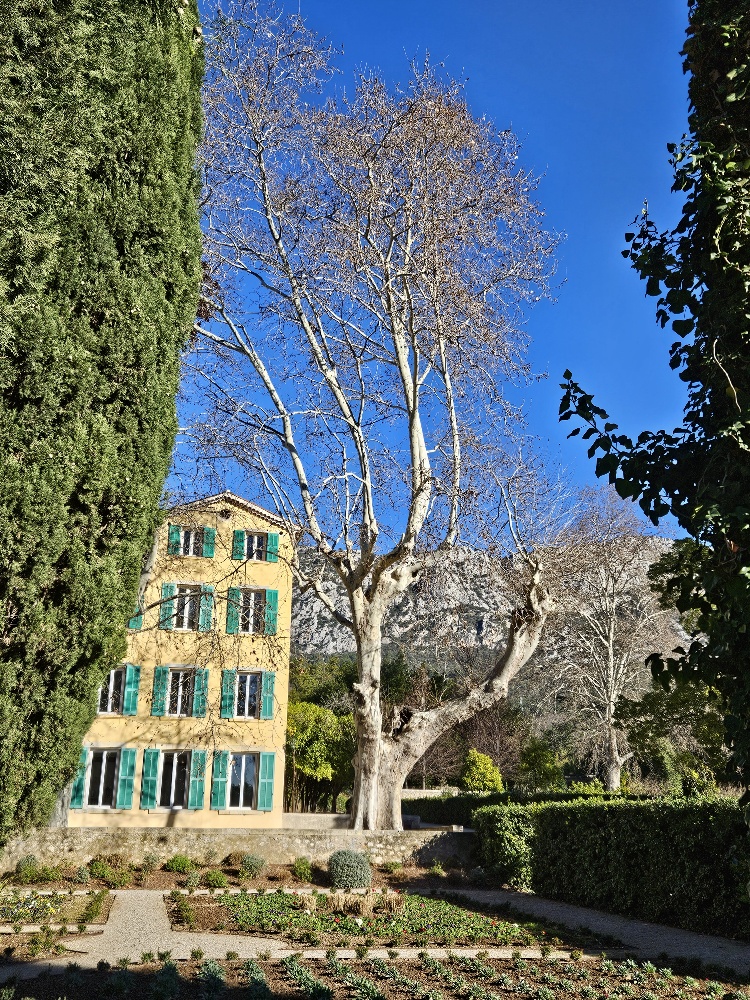
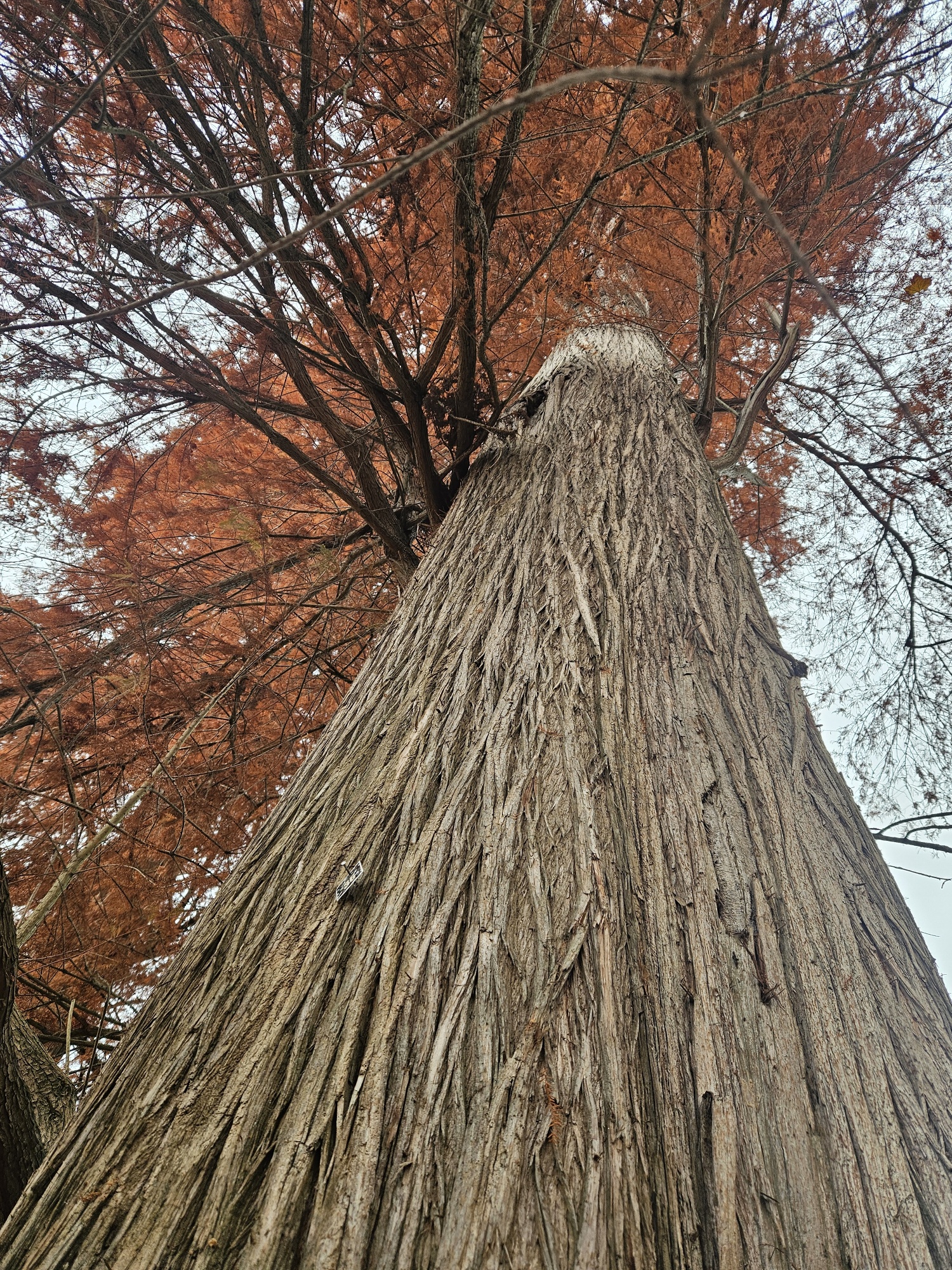
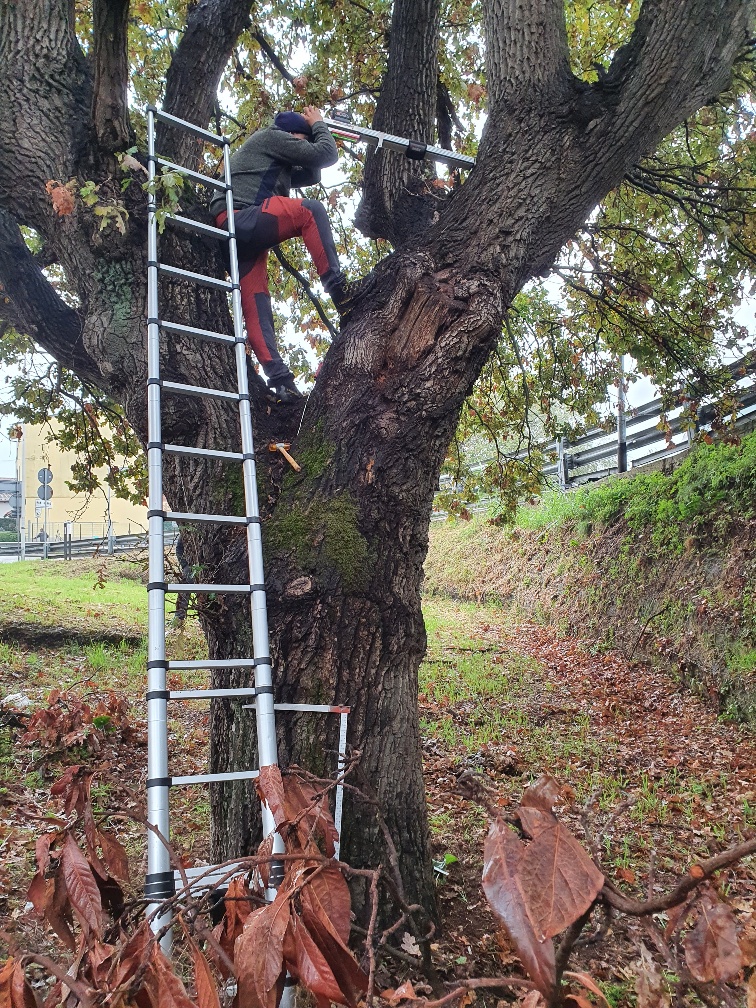
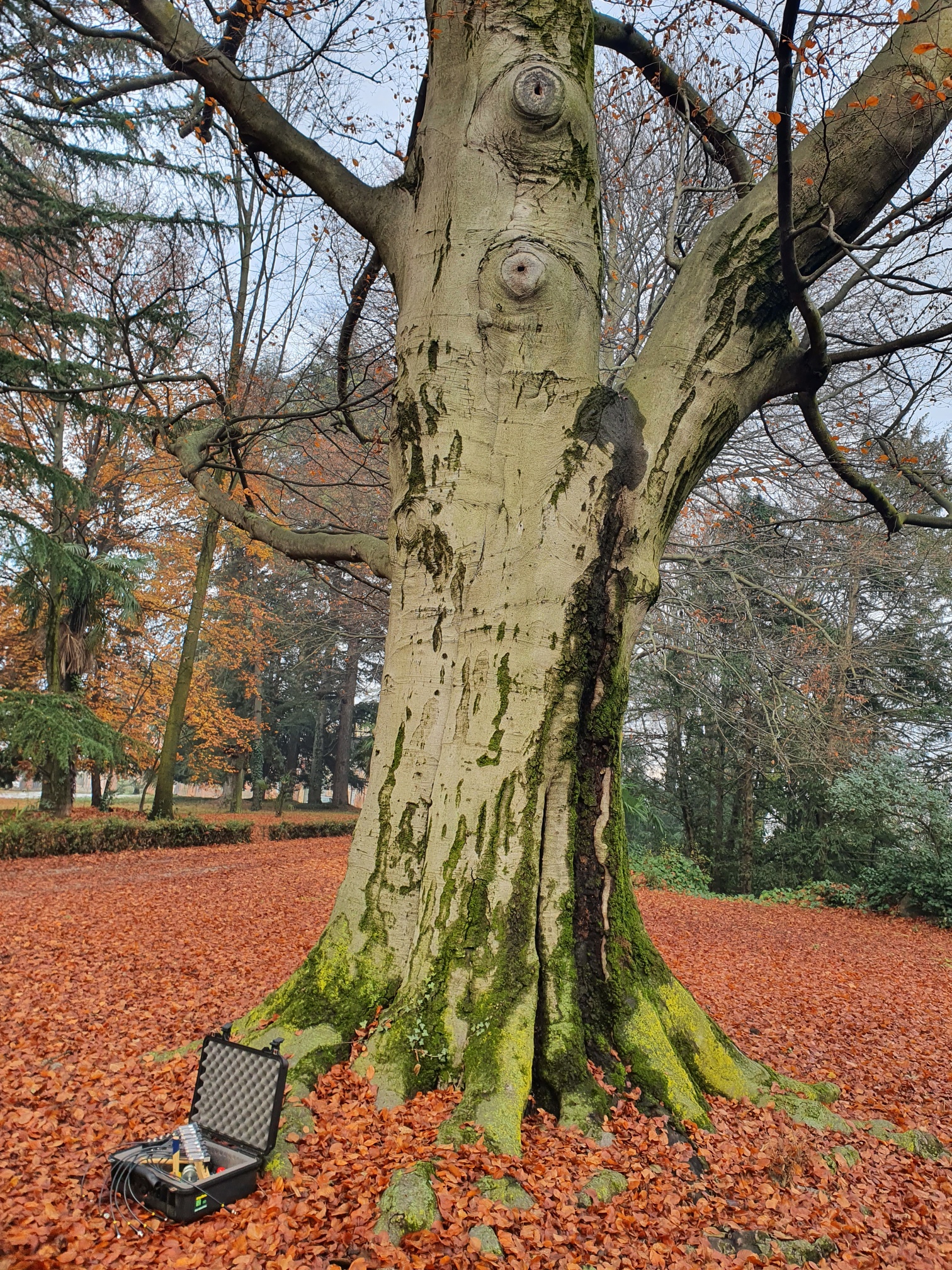
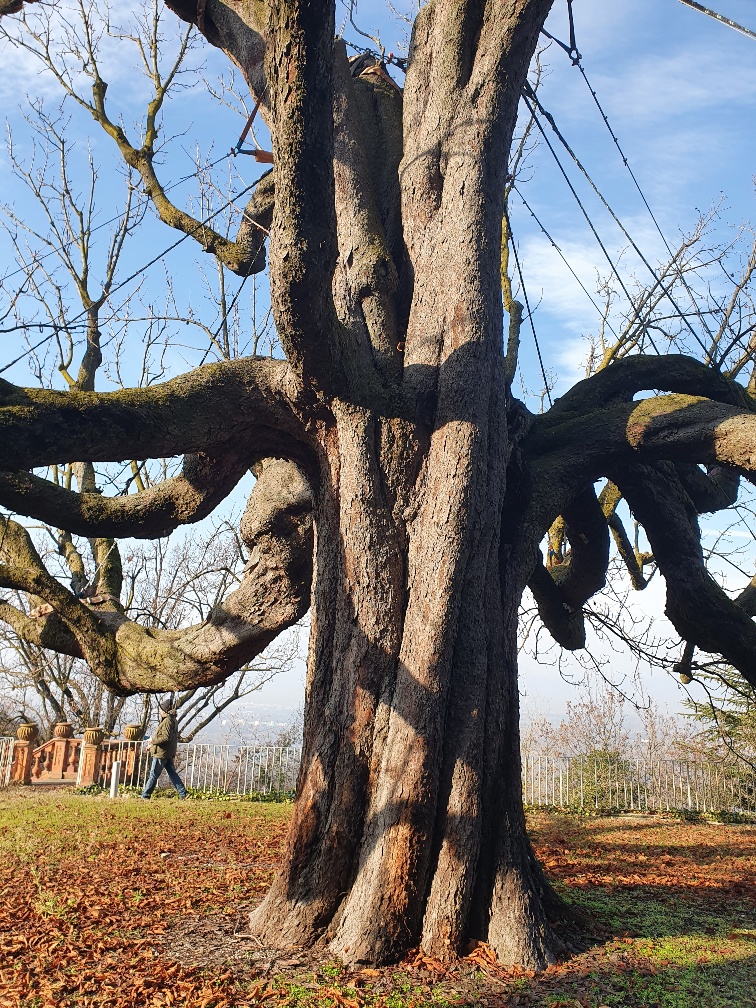
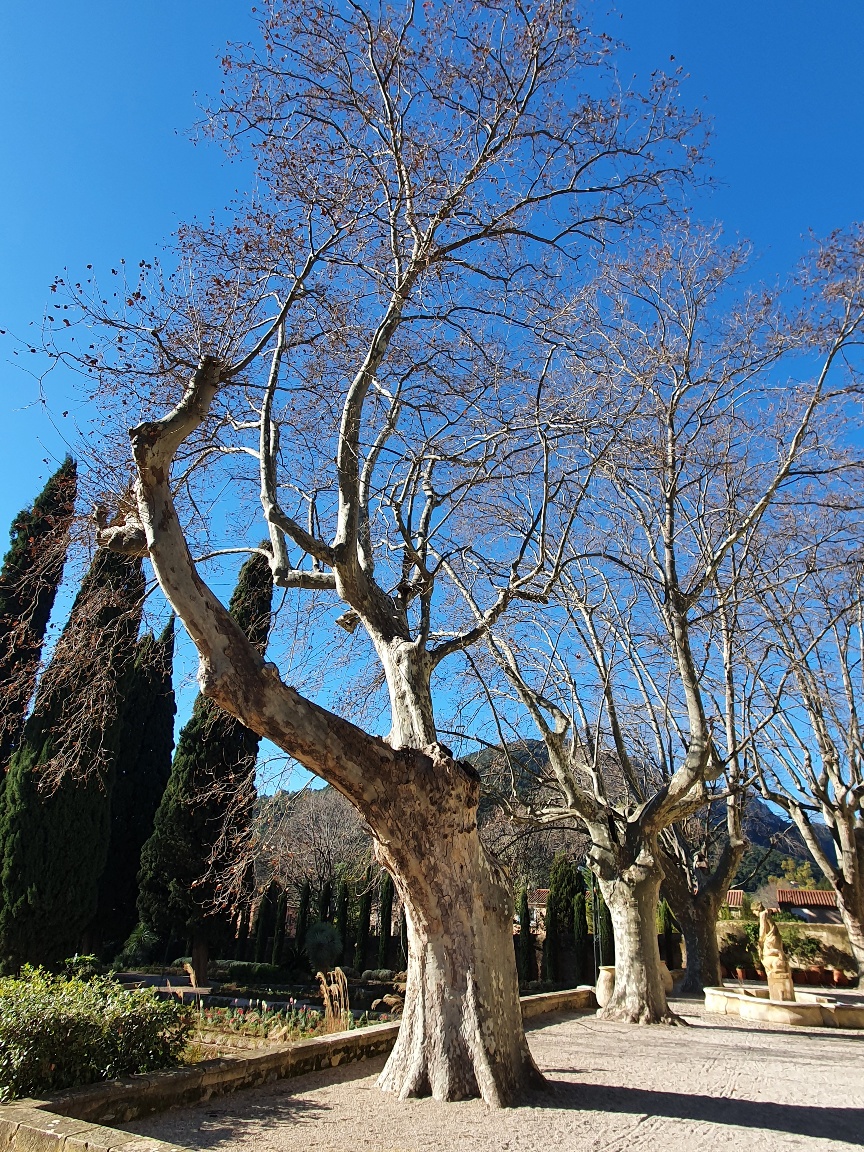
Conservation and Protection of Monumental Trees
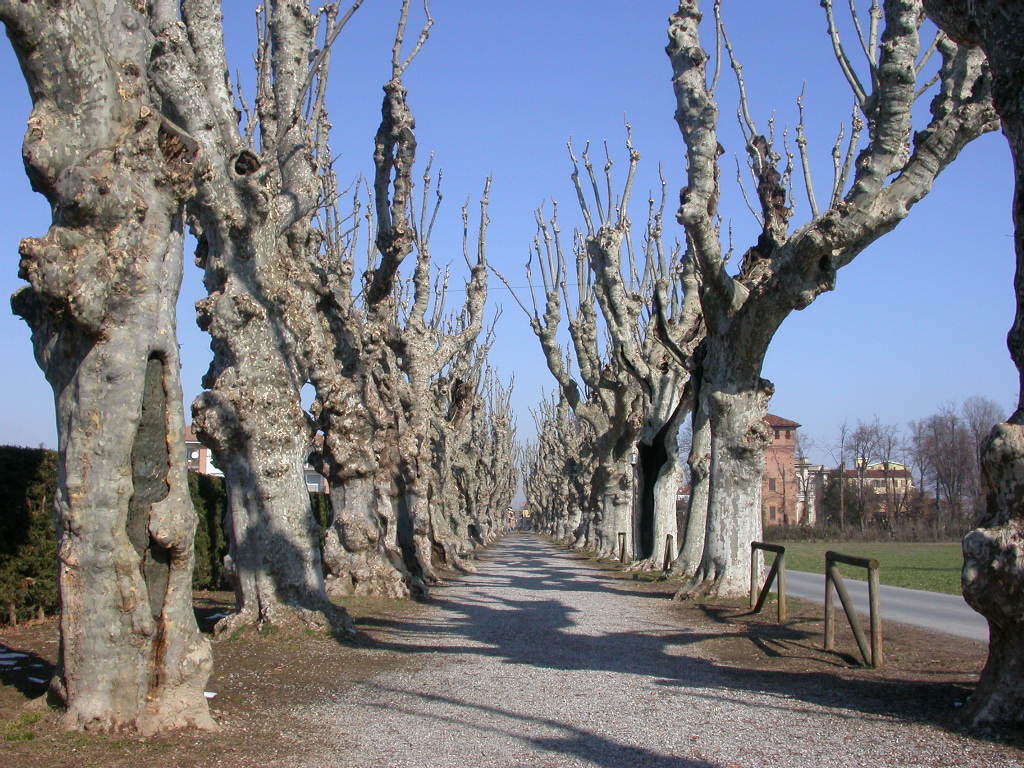
Monumental trees represent a biological, historical and landscape heritage of extraordinary value. Their management requires specific expertise and a conservation-oriented approach based on the understanding of the biological processes involved in tree ageing.
Studio Associato Planta applies management strategies developed within modern international arboriculture, inspired by the work of renowned researchers and arborists such as Ted Green, promoter of veteran tree conservation in the United Kingdom, David Lonsdale, who extensively studied decay processes and adaptive strategies of mature trees, and Neville Fay, known for his work on tree biomechanics and the conservation management of historic trees.
A fundamental contribution to the understanding of wood biology and decay compartmentalisation mechanisms was also provided by Alex Shigo, whose research has profoundly influenced modern arboriculture.
Studio Associato Planta applica strategie di gestione sviluppate nell’ambito della moderna arboricoltura internazionale, ispirate agli studi di autorevoli ricercatori e arboricoltori come Ted Green, promotore della tutela dei veteran trees nel Regno Unito, David Lonsdale, che ha approfondito i processi di decadimento e adattamento degli alberi maturi, e Neville Fay, noto per i suoi studi sulla biomeccanica degli alberi e sulla gestione conservativa degli esemplari storici.
Un contributo fondamentale alla comprensione della biologia del legno e dei meccanismi di compartimentazione del decadimento è stato inoltre fornito da Alex Shigo, le cui ricerche hanno profondamente influenzato l’arboricoltura moderna.
Principles of Conservation Management
The approach adopted by Studio Planta is based on several key principles.
Preservation of the tree’s biological structure
Risk reduction while respecting natural architecture
Minimal and progressive interventions
Design of Conservation Measures
Studio Planta designs targeted interventions for the management and conservation of monumental trees based on more than twenty years of experience in specialist arboriculture.
These interventions may include:
Conservative pruning
Selective pruning aimed at reducing mechanical loads, managing crown architecture and progressively stabilising the structure of the tree.
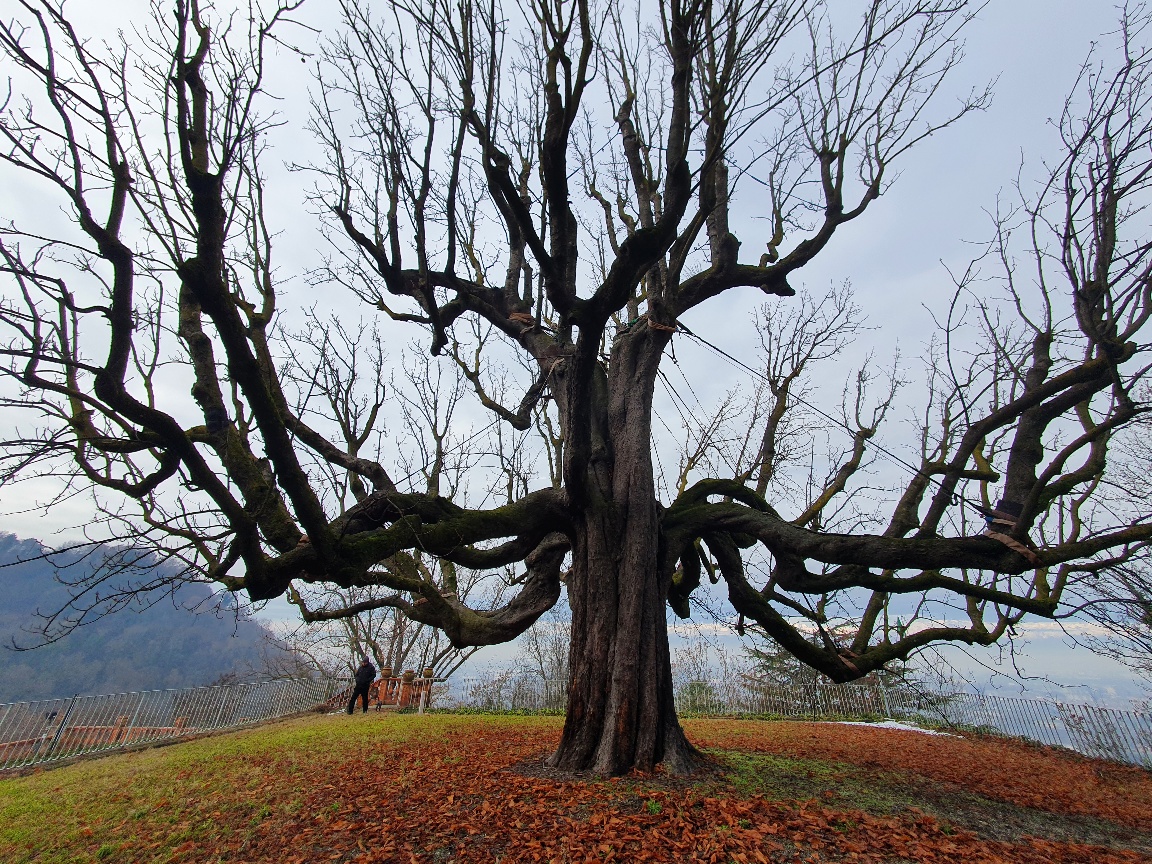
Crown support and bracing systems
Installation of cabling and bracing systems designed to reduce mechanical stress and prevent structural failure.
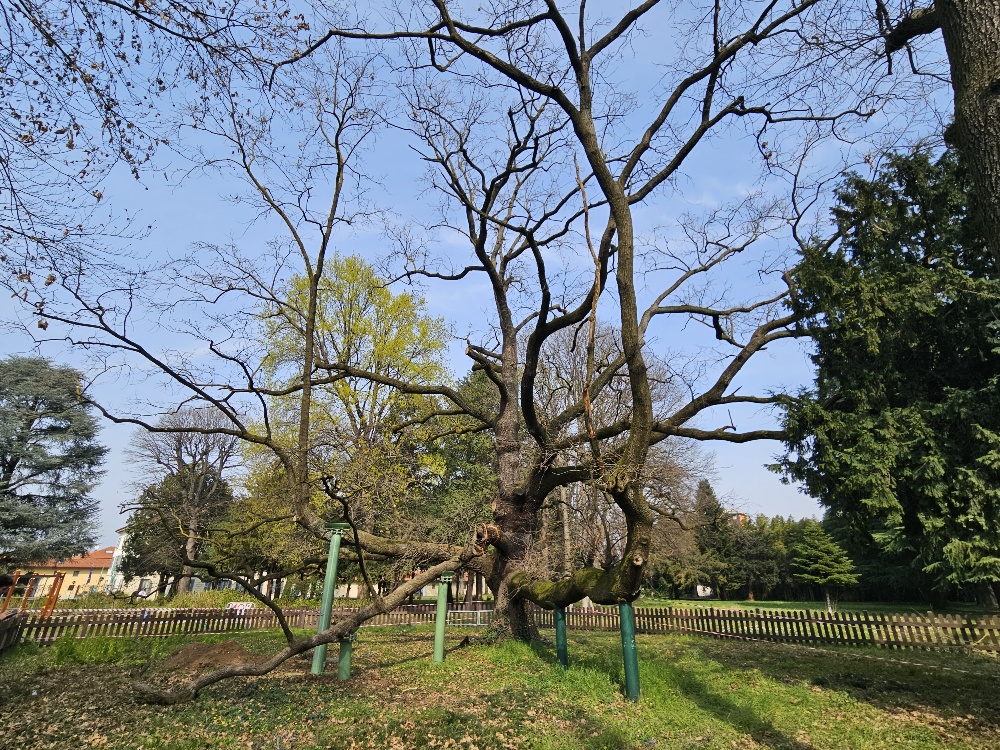
Support structures
Implementation of support systems for large branches or trunks of significant historical or biological value, designed to accompany the tree through its natural ageing process.
The design process may also include the development of 3D models based on LiDAR scanning. All interventions are designed on a case-by-case basis, taking into account the biomechanical characteristics of the tree, the environmental context and the level of risk.
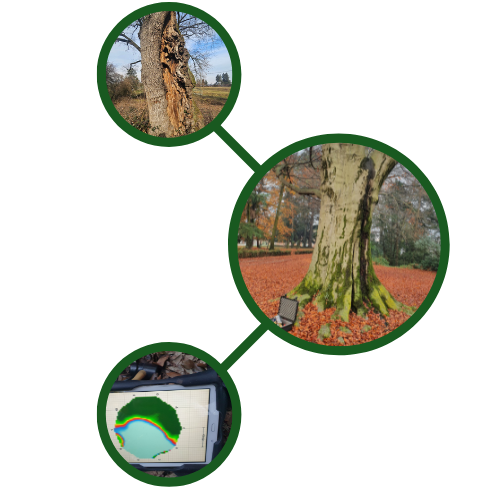
Diagnosis and Monitoring
To define effective conservation strategies, Studio Planta uses advanced diagnostic techniques including:
- visual assessment according to the VTA® method
- densitometric and resistographic investigations
- sonic or radar tomography and wood diagnostics
- biomechanical stability analysis
- 3D Lidar scanning
- long-term monitoring programs
These tools allow the development of specific management plans for each tree, aimed at prolonging its biological life while ensuring safety.
A Living Heritage
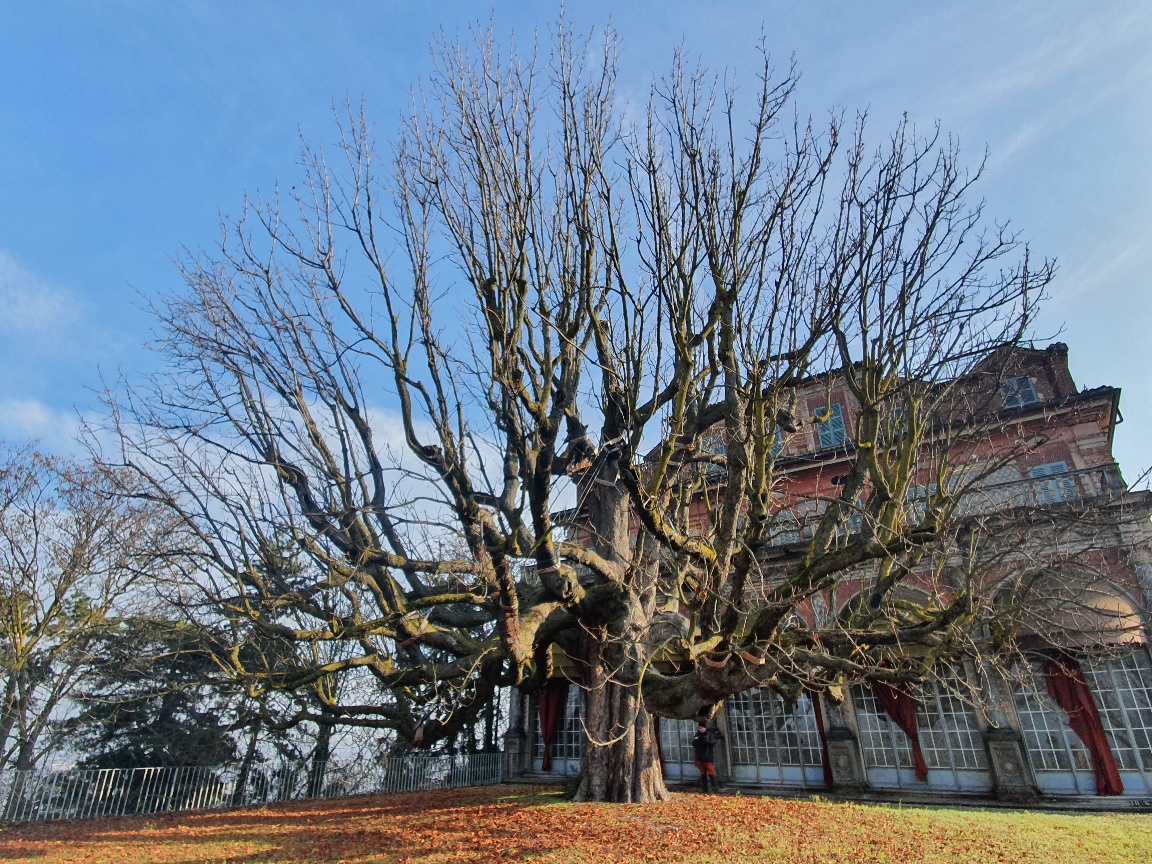
The goal of these strategies is to extend the life expectancy of monumental trees as much as possible, while preserving their historical, ecological and landscape value.
Veteran trees are not simply landscape elements, but complex ecosystems and living monuments, guardians of biodiversity and memory of the territory